GHK-Cu (Kupfer Tripeptid-1) Nebenwirkungen GHK-Cu ist im Allgemeinen gut vertrglich, insbesondere bei topischen Anwendungen
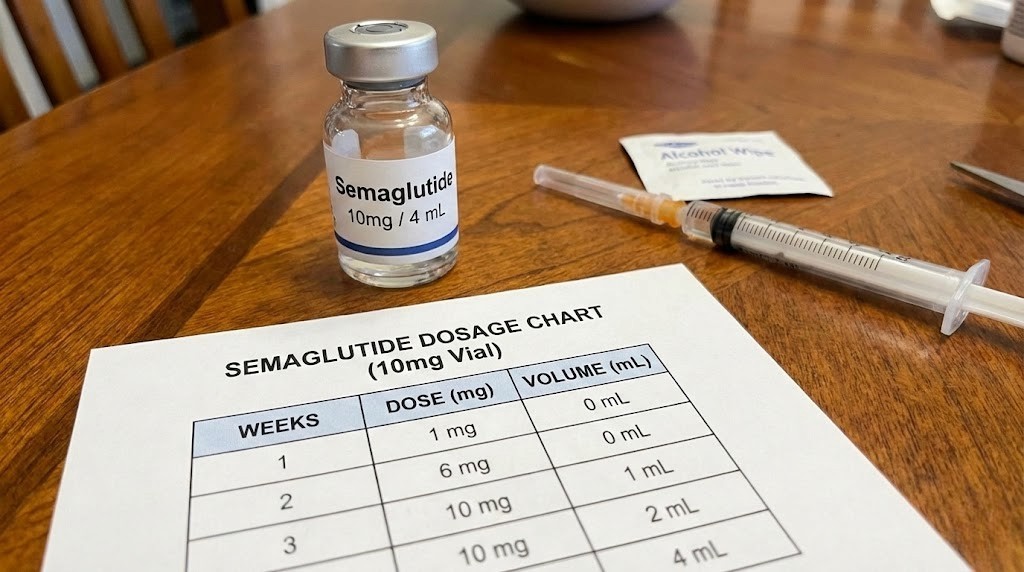
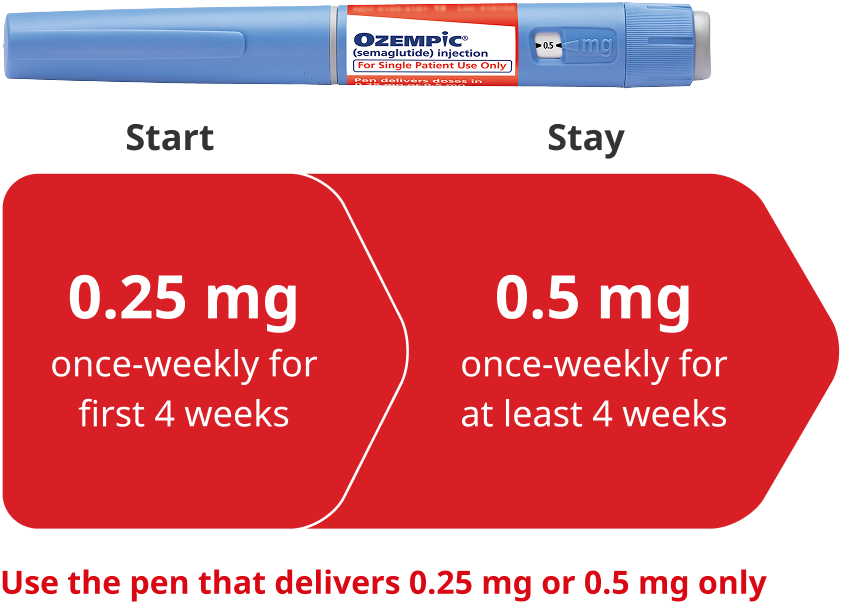
FDA Approval vs Compound Pharmacy Preparation FDA-approved medications undergo rigorous testing: Phase I, II, and III clinical trials involving thousands of patients Extensive safety and efficacy data before market approval Standardized manufacturing processes with FDA facility inspections Consistent quality control and batch testing Post-market surveillance for adverse events Full prescribing information with documented side effects and contraindications Examples: Finasteride tablets (Propecia), Tadalafil (Cialis), Sildenafil (Viagra), brand-name Ozempic, Wegovy, Mounjaro, Zepbound Compounded medications follow different pathways: Not FDA-approved through standard New Drug Application process Prepared by state-licensed pharmacies under pharmacy board regulations FDA oversight through Section 503A (traditional compounding) and 503B (outsourcing facilities) Less standardized efficacy testing compared to approved drugs Created for individual patients based on physician prescriptions Serve legitimate medical needs when FDA-approved options inadequate Examples: Topical Dutasteride, multi-ingredient hair loss formulas, DapoxetineRx, custom-strength Tretinoin combinations, compounded Semaglutide during shortage periods (subject to current availability) When Compound Pharmacies Fill Critical Medical Needs Legitimate clinical situations requiring compounded medications: Allergy or sensitivity management: Patient allergic to inactive ingredients (fillers, dyes, preservatives) in FDA-approved formulations can receive medication without problematic components Alternative delivery methods: Converting oral medications to topical applications may reduce systemic exposure in some patients

Effect of ipamorelin on growth hormone Growth hormone concentration rises sharply to a peak at approximately 0.67 hours and declines to very low levels by 6 hours at all dose levels
Schluter OM, Xu W, Malenka RC (2006)











![[ANDFAMILYS]×R&Co. H/S Raglan Tee... Monster/BLACK SIZE:XL](https://cdn.shopify.com/s/files/1/0641/2134/0150/files/DSC_0289.jpg?v=1721458508)


