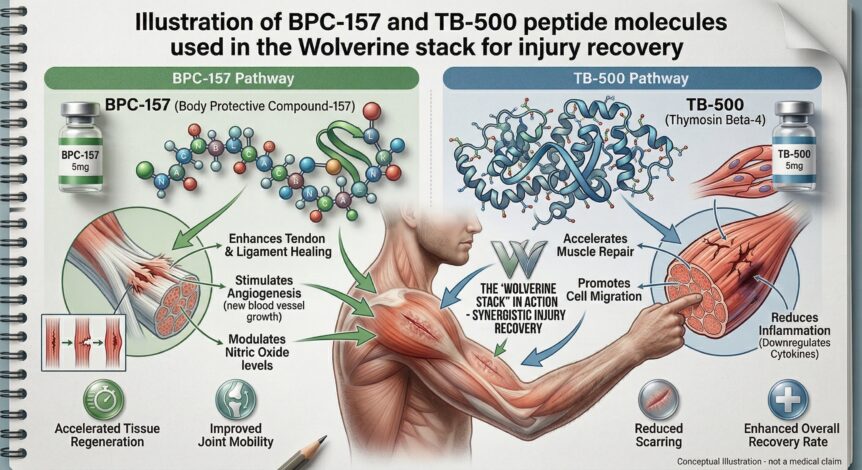
HUBERMAN: And then we've got thymusin beta-4, which is sometimes referred to as TB500, which is just a shorter synthesized version of thymusin beta-4, which is a molecule known to come from the thymus in children

You might be an ideal candidate for an every other week dosing schedule if: You have achieved your desired weight, and you want to maintain it consistently for a long period You have well-controlled A1c and optimal blood sugar control, or your metabolic profile is within normal range for type 2 diabetes You have healthy lifestyle habits such as daily exercise, a balanced diet, an appropriate sleep schedule, and a well-established stress management routine You can closely track and monitor weight, blood sugar levels, and metabolic changes, and overcome food noise You have a strong partnership with your provider, who is easily accessible for continuous monitoring and to make necessary adjustments when needed In contrast, the following are the conditions when a biweekly schedule is not suitable for you, and you should stick to a weekly dosing schedule: You are actively losing weight and have not reached your desired weight loss goal You have uncontrolled type 2 diabetes and a higher HbA1c You experience strong hunger signals or cravings when the concentration of medication drops after 7 days You have a history of rapid weight regain in previous maintenance attempts You need a stable therapeutic dose to maintain appetite control and blood sugar levels You have a sedentary lifestyle with minimal physical activity If you fit any of these conditions, stay on weekly dosing because extending the dosing interval may increase the likelihood of returning appetite, metabolic fluctuations, and loss of progress

Were the first suite on the right at the top of the stairs
FS-344 is preferred for injection because it is more stable as a recombinant protein and converts to FS-315 systemically